Malta Before You Go: Entry, EES, Plugs and Seasons
Malta entry rules checked on 17 November 2026: passport dates, EES, ETIAS status, 230 V sockets and which month suits walking, swimming or a city break.
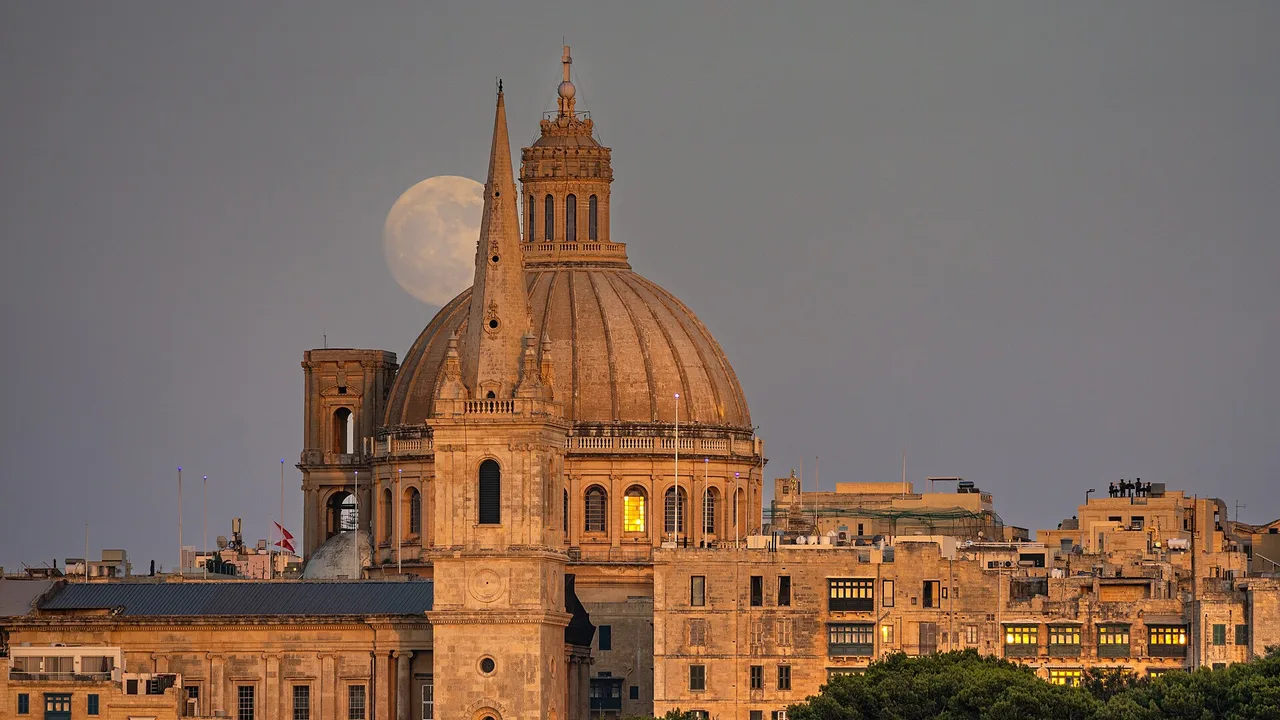
For Malta, two dates in your passport matter, not just the expiry. For an ordinary short visit as a non-EU national, the EU wants the passport issued within the preceding 10 years and valid for at least 3 months after you intend to leave the EU. Since 10 April 2026 the Entry/Exit System has been fully operational at the EU’s external borders, so unless you’re exempt, you register at the border instead of collecting a stamp. Sockets take British three-pin plugs on a 230 V supply.
Important: This page is general travel information, not legal or immigration advice. Entry rules depend on your nationality, your residence status and the purpose of your trip, and they change. The entry and health details here were checked on 17 November 2026 against EU and government pages. Confirm your own case with the official source or the Maltese authorities before you book or travel, particularly if you hold a residence permit, a long-stay visa or more than one passport.
Two dates in your passport
The EU’s Your Europe page for non-EU visitors sets the passport test: issued within the last 10 years, and valid for at least 3 months after the day you plan to leave the EU. Read the issue date and the expiry date separately. A passport can look comfortably in date and still fail on the issue date, which is the one people don’t check.
The short-stay allowance is 90 days in any 180-day period across the whole Schengen area, Malta included. A week in Italy before your flight to Malta uses up the same allowance, so count the whole trip, not the Malta booking alone.
British citizens can travel to Malta without a visa as tourists within that allowance, according to the UK government’s Malta advice. Canada’s travel advice says the same for Canadians: no tourist visa for up to 90 days in any 180-day period. The EU’s visa regulation (2018/1806) lists the United States, Australia and New Zealand among the countries whose citizens need no visa for stays of up to 90 days, so a tourist from any of them is under the same 90-in-180 rule. Anything outside an ordinary tourist stay, such as study, work or a longer visit, needs the Maltese authorities’ rules before you book.
At the border, officers can ask for proof of where you’re staying and a return or onward ticket, per Your Europe. Keep both somewhere you can open without airport Wi-Fi, with names that match the passport you’re travelling on.
The Entry/Exit System at the border
The European Commission says the Entry/Exit System has been fully operational at every external Schengen border crossing since 10 April 2026. It records your travel document, your fingerprints and a facial image, and then your entries and exits, so the old passport stamp no longer tells the story. Follow the officers’ instructions at the booth.
Citizens of EU countries, Iceland, Liechtenstein, Norway and Switzerland aren’t registered. Holders of a long-stay visa or a residence permit are also outside it, with national exceptions that the Commission lists, and the exemption has to match the card you hold.
Where you change planes decides where the border check happens. Fly in through another Schengen airport, Frankfurt or Rome for example, and you’re registered there, at your first Schengen airport, before the short onward flight to Malta. Fly direct from outside the area, from London for example, and the check happens at Malta International Airport. Leave enough time on a connection for that queue.
ETIAS on 17 November 2026
ETIAS is the separate pre-travel authorisation for visa-free visitors, and it isn’t the same thing as EES. The Commission’s April 2026 explainer says ETIAS is “scheduled to start in the last quarter of 2026” and that the exact start date would be announced later in the year. When we looked on 17 November 2026 the Commission hadn’t announced a start date, and Canada’s government travel page says applications are not yet open. Press reports in mid-2026 pointed to a 2027 start, but we couldn’t find the Commission confirming it.
For a trip now, that means there’s nothing to apply for. Canada’s government warns about websites claiming to sell ETIAS authorisations, and a site charging you for it today isn’t the official one. Check travel-europe.europa.eu again the week you book, because the answer can change before your flight.
Power, language and money
The supply is 230 volts, give or take 10 per cent, at 50 hertz, and the three-pin rectangular plug is used as in Britain, according to Visit Malta. A device labelled 100-240 V needs only a plug adapter. A device built for a 120 V supply only, which includes some hairdryers and travel kettles from North America, isn’t made for this mains and needs a converter or a different device.
Malta’s currency is the euro, adopted on 1 January 2008, and Visit Malta notes that conversion charges can apply where a shop accepts another currency. Maltese and English are both official languages, with English widely and fluently spoken.
Which month for what
Visit Malta’s climate page describes hot, dry, very sunny summers with about 12 hours of sunshine a day, falling to 5 to 6 hours in mid-winter, and annual rainfall of 568 mm. Spring and autumn are cooler, except when the occasional Scirocco wind from Africa lifts the temperature and the humidity. The page also says the peak beach season can last until mid- to late October and that bathing is quite possible well into the winter months.
That points to a simple split. For a walking holiday, go in spring: Visit Gozo describes the mild weather and flowering countryside of those weeks and advises a long-sleeved weatherproof jacket. For swimming, the summer months and the weeks up to mid- to late October are the beach season, and Visit Gozo’s description of autumn as an extended but less intense summer makes September and early October the pick if you can’t take the full heat. Our beach guide helps you choose between sand and rock once you’re there. For a city-and-museums trip centred on Valletta, winter works: the days are shorter, with 5 to 6 hours of sunshine, but the summer heat isn’t a factor.
If swimming is the point, our diving and snorkelling guide explains the Malta Red Cross flags at the beaches its lifeguards supervise. The Met Office at Malta International Airport supplies the current conditions and five-day forecast that Visit Malta points to.
Health cover and the paperwork
If you’re eligible for a GHIC or EHIC, take the card. It’s not a substitute for insurance, and what it does and doesn’t pay for is set out in our travel insurance for Malta and diving checklist, which is worth reading before you buy a policy if scuba, a boat trip or a hire car might join the plan.
Keep the policy number and the insurer’s assistance line on your phone and on paper, with a travelling companion holding a copy.
The arrival day
Malta Public Transport’s TD4 Airport Direct bus runs from the airport to Valletta every 30 minutes for €3 paid on board by cash or contactless card. Our getting around Malta guide compares the airport buses with the weekly cards and covers the ferries, and the Valletta guide has the stop details.
Choose the first night’s address with that journey in mind, and save its check-in instructions offline. If a car is part of the plan, the car-hire guide covers licences and collection, and the Malta route with Gozo shows how the capital and an island day fit together over four days.
Photos
Read also

Things to do · 7 min read
Best Beaches in Malta and Gozo: Sand or Rocky Shores?
Verified · 17 November 2026Malta and Gozo beaches by sand, rock and how you get in: Golden Bay, Għajn Tuffieħa, Mellieħa, Ramla, Ħondoq, Sliema rocks and the Blue Lagoon.

Car hire · 7 min read
Car Hire in Malta: Driving on the Left, Licences and Gozo
Updated · 17 November 2026Car hire in Malta: driving on the left, which licences work, airport desks, Valletta charge zone and the €15.70 Gozo ferry fare, checked 16 November 2026.

Things to do · 7 min read
Diving and Snorkelling in Malta and Gozo
Verified · 17 November 2026Diving and snorkelling in Malta and Gozo: Ċirkewwa wrecks, Gozo shore sites by level, snorkel trails, dive prices and DAN's 12 and 18 hour flying advice.

What to see · 6 min read
Ġgantija Temples: Tickets, Hours and Reading the Stones
Verified · 17 November 2026Ġgantija in Xagħra: €10 combo ticket with Ta' Kola, opening hours, painted plaster, two kinds of limestone, access and how to get there.