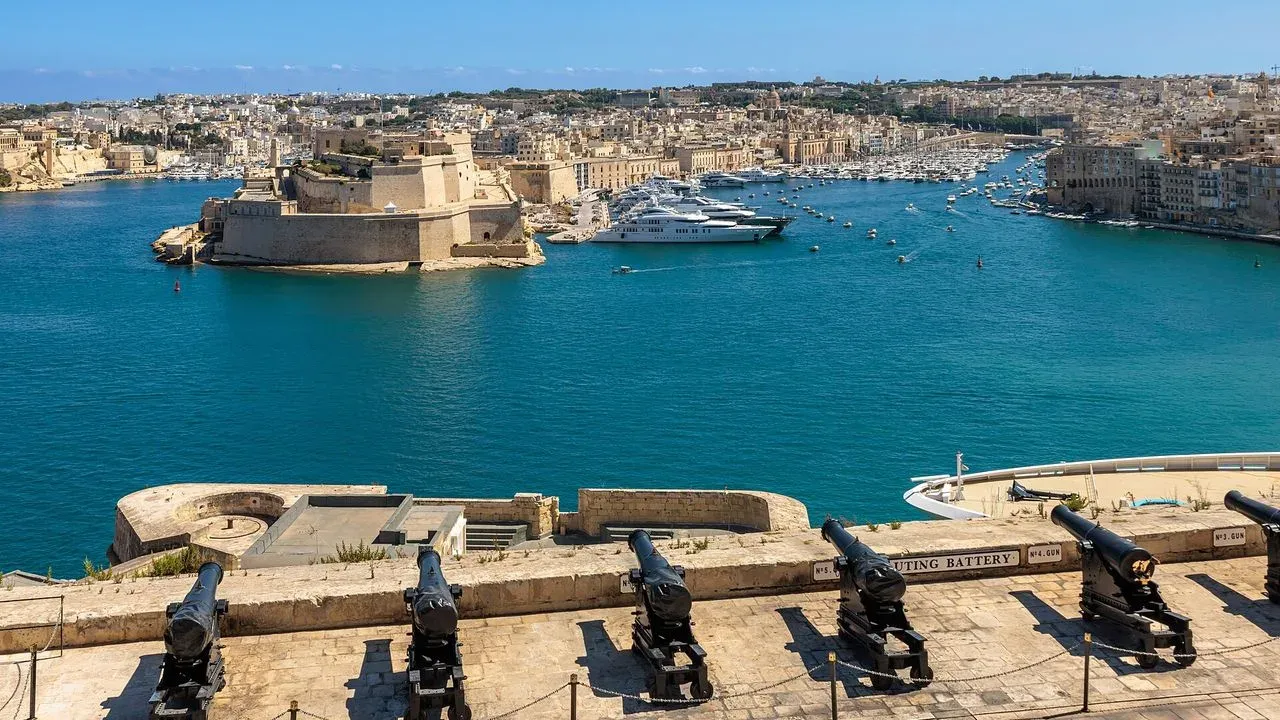
Valletta is small enough to see properly in a day and good enough to justify two nights, and the easy way in from the airport is the €3 TD4 bus. The capital sits on a peninsula between two harbours, which is why it is fortified on every side and why you walk up and down more than the map suggests. The one fixed appointment is the noon salute at the Saluting Battery, and everything else can bend around it.
From the airport to Valletta
Malta Public Transport’s Airport Direct service has a route for the capital. TD4 runs between the airport, Valletta and the Gozo Fast Ferry stop, every 30 minutes according to the operator’s page, and a trip costs €3 paying in cash or by contactless card on board. Of the 7-day cards further down, only the Explore Flex covers it.
| Way | What to know |
|---|---|
| TD4 Airport Direct | Every 30 minutes, €3 on board, stops in Valletta and at the Gozo Fast Ferry |
| Ordinary day bus | €2.00 single in winter, valid for 2 hours, paid on board in cash or contactless |
| Taxi | From the airport, taxi fares to every locality follow a fixed tariff, according to Visit Malta, and the airport names Malta Taxi as the official service, with a fare calculator on its site; with any other driver, agree the price before you set off |
The ordinary single fare is the winter one, effective from 18 October 2026 to 12 June 2027; the operator’s table shows €2.50 in summer. If you’re going to ride a lot, the 7-day Explore Flex card costs €27 and covers day routes, night routes and Airport Direct, so TD4 is included; the cheaper 7-day Explore card at €25 leaves out the Airport Direct and tallinja Direct routes, so TD4 isn’t covered. Prices are from the operator’s fares page on 16 November 2026. The Malta transport guide has the other cards and the ferries to Gozo and Comino.
Valletta or Sliema as a base
Valletta gives you the historic core on your doorstep: you step out of the hotel into the streets you came to see, and the day-trippers leave in the evening. Sliema is a ferry hop across Marsamxett Harbour. The two are linked by the Valletta Ferry, run in collaboration with Malta Public Transport, which also crosses from Valletta to Cospicua in the Three Cities. A free shuttle runs from Marsamxett to Lascaris, synchronised with the ferry’s arrivals and departures.
Pick Valletta for empty streets in the morning and the sights on your doorstep; pick Sliema for a bigger choice of shops and cafes and a ferry ride in each day. The ferry is part of the public network, so it works as a commute rather than an excursion. If you’re heading on to Gozo, the foot-passenger fast ferry leaves from the Grand Harbour, and the Gozo page explains both ways across.
Through City Gate to the Upper Barrakka
Valletta was founded in 1566, soon after the Great Siege of 1565, by the Order of the Knights of St John, and UNESCO inscribed the city on the World Heritage List in 1980. The grid of straight streets is the Order’s planned city, and you feel it the moment you come in through City Gate: long cross-streets, steep side streets, a wall of golden limestone on both sides.
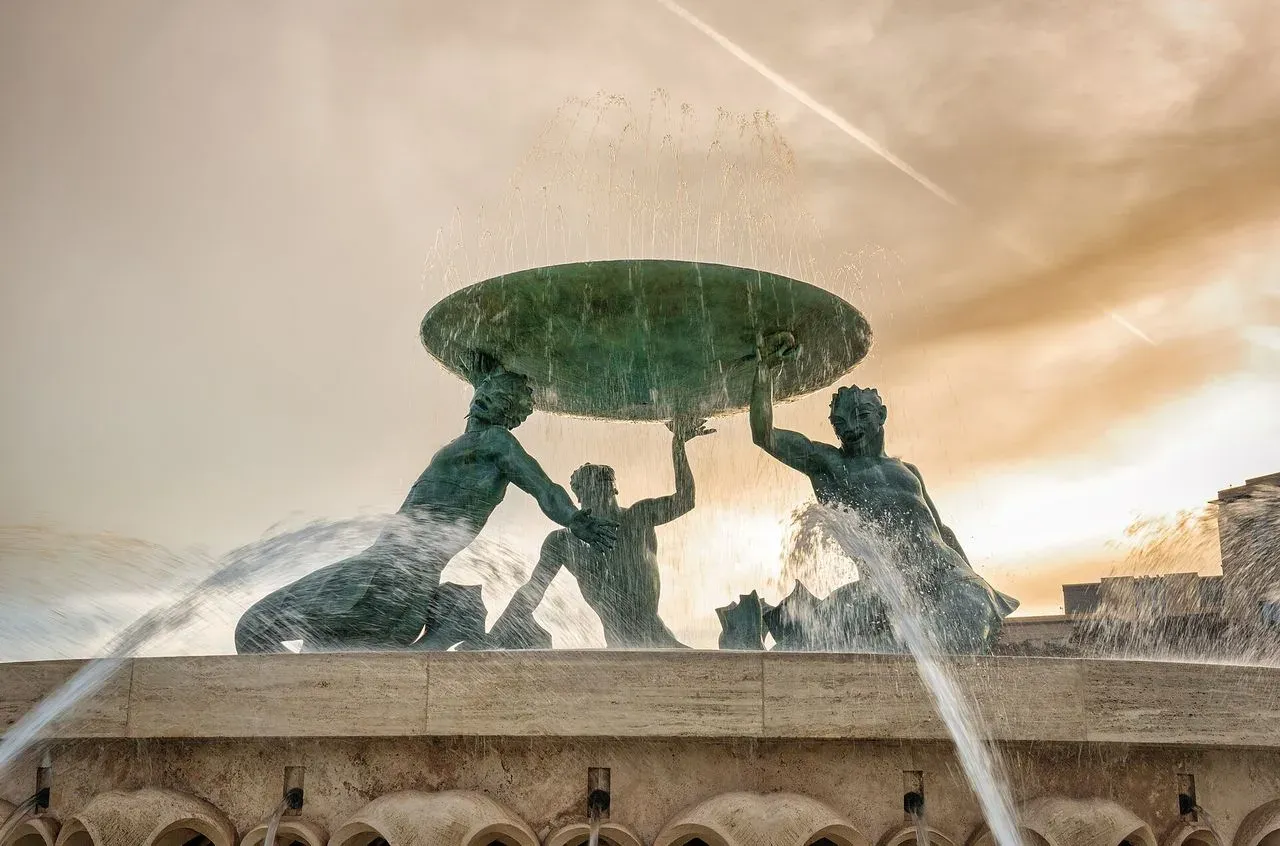
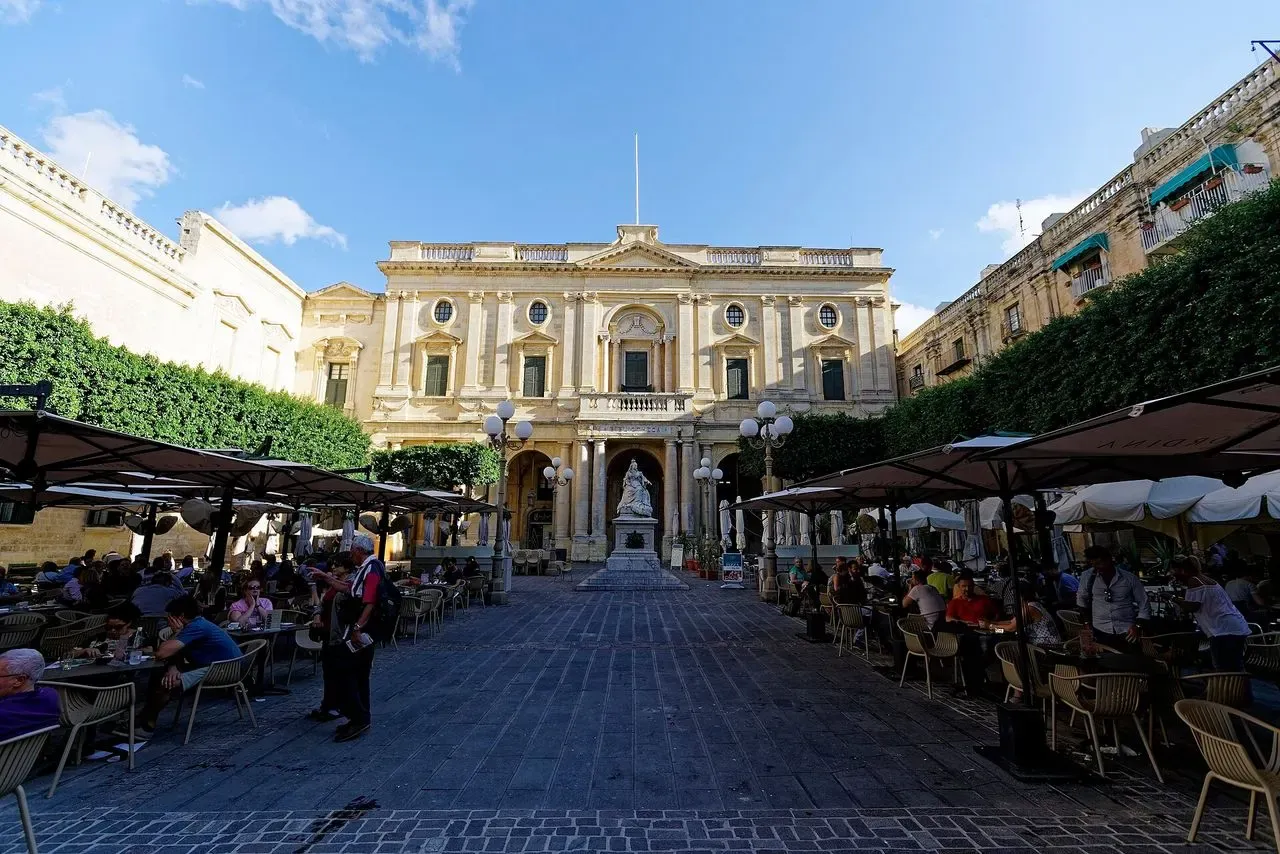
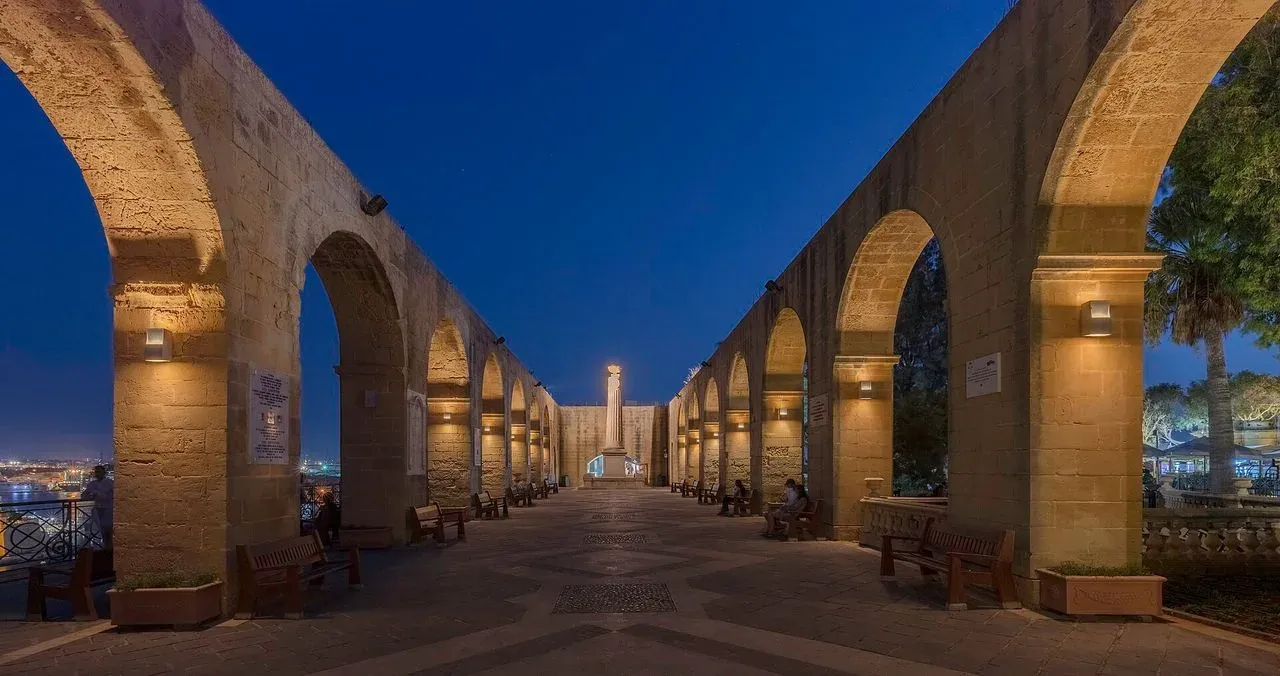
From City Gate, head down the main street and aim for the Upper Barrakka Gardens on the Grand Harbour side. The gardens look across the harbour to the Three Cities, and if you get there just before noon from Monday to Saturday, the guns below go off while you’re taking in the view.
The Saluting Battery and the lift
Below the gardens the Saluting Battery fires its guns at noon and at 16:00, Monday to Saturday, according to its operator, Fondazzjoni Wirt Artna; the battery is closed on Sundays. Adult entry (16 and over) is €6 and children aged 5 to 15 pay €3 on the operator’s page on 16 November 2026; the guns don’t fire on 24, 25 and 31 December, 1 January, Good Friday and Easter. Think of the battery as a short stop timed to the hour, not a destination. Arrive a few minutes early so you aren’t hunting for a spot when the guns go off.
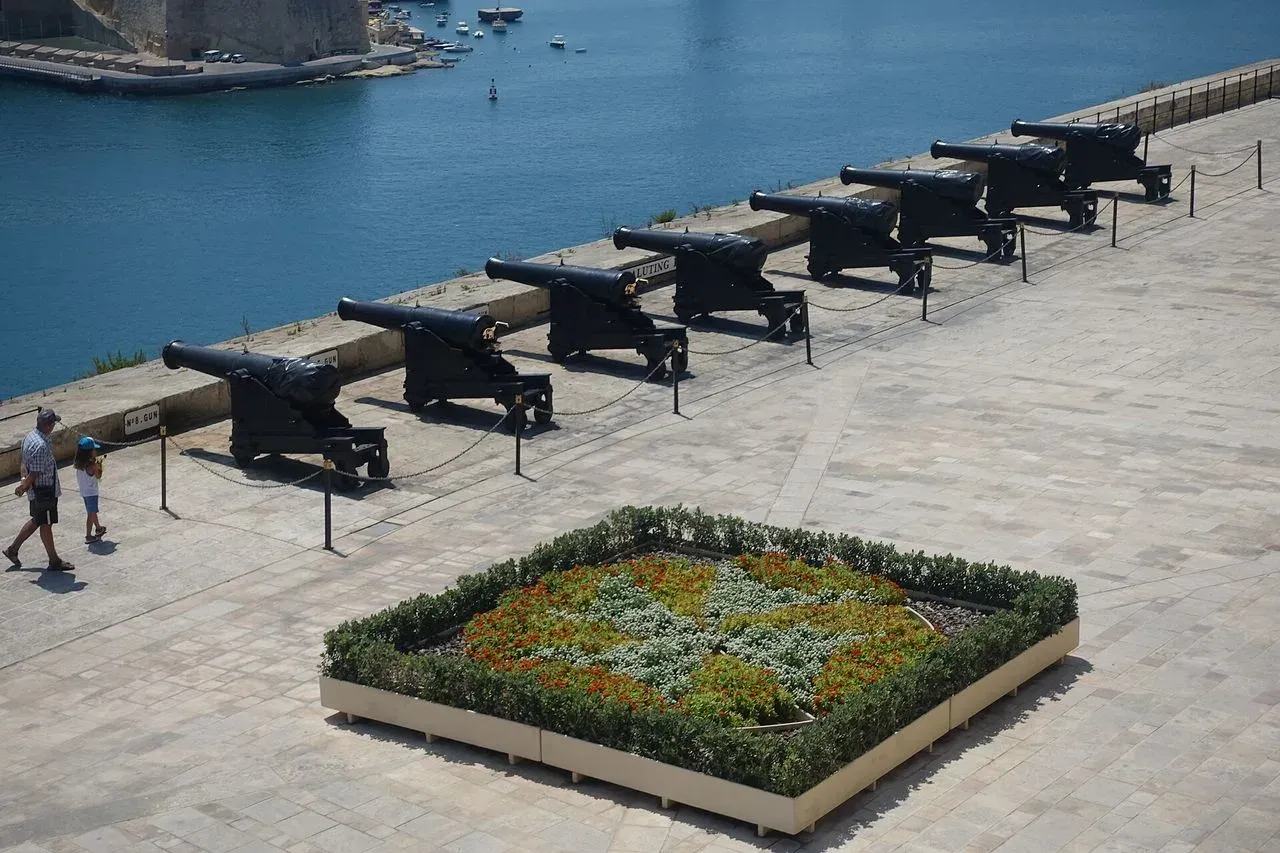
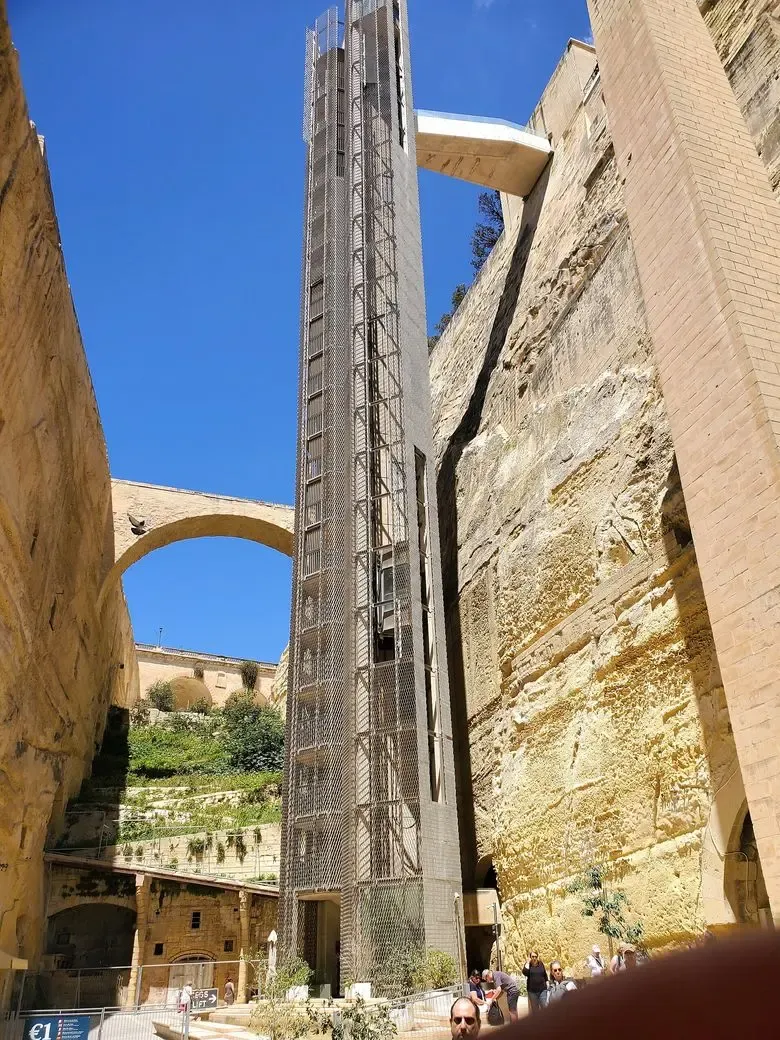
The Upper Barrakka lifts, opened in December 2012 on the site of an earlier lift that ran from 1905, rise 58 metres and take around 25 seconds, according to Visit Malta. They’re the quickest way between the Grand Harbour waterfront and the gardens. The Valletta Ferry adds a small perk: passengers from Cospicua receive a ticket for the lift, which saves the climb up from the quay.
St John’s Co-Cathedral
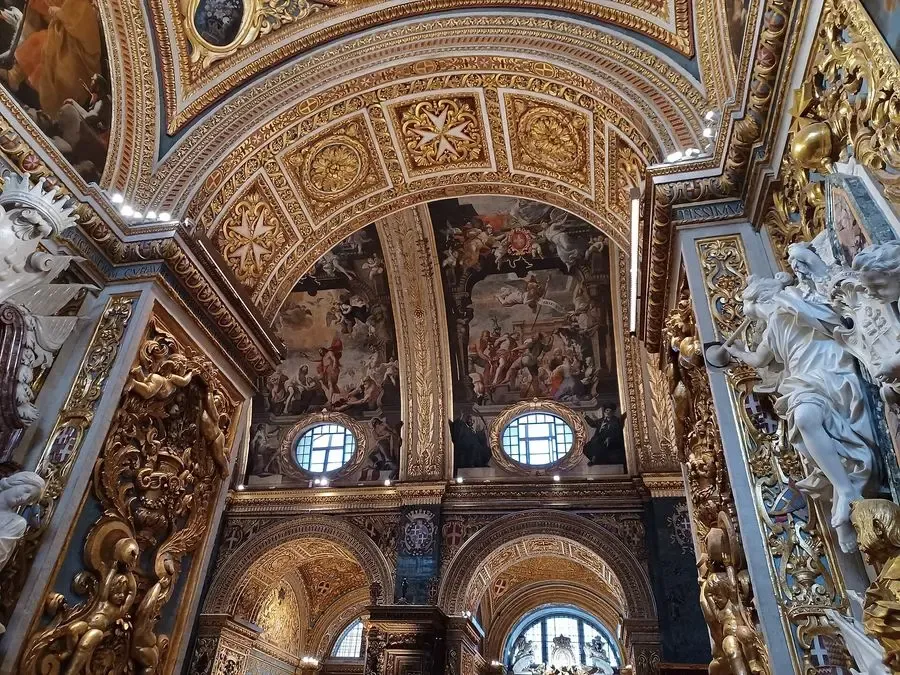
St John’s is shut to visitors on Sundays and public holidays, so give it a weekday; the St John’s guide covers tickets, hours, dress code and the quieter times to go. A good order for the day is the cathedral when the doors open, the gardens for the noon salute and the fort after lunch.
Fort St Elmo
Fort St Elmo stands at the tip of the peninsula and houses the National War Museum, run by Heritage Malta. The fort dates from 1552, and in the siege of 1565 its garrison held out until 23 June, according to Heritage Malta, which describes the fort’s position as the one that “received the brunt” of the siege.
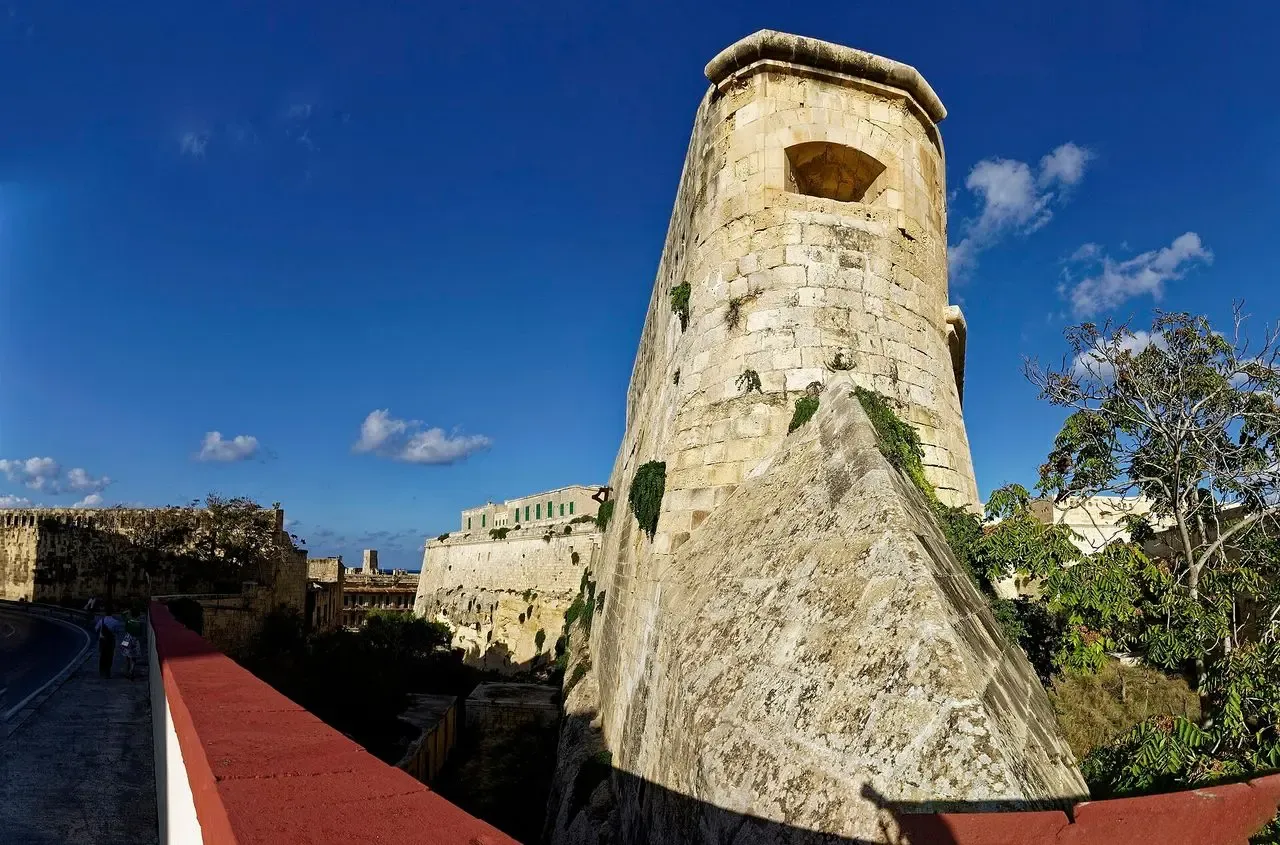
An adult ticket is €10 on Heritage Malta’s page, and the operator recommends at least 1.5 hours for the fort and the museum together. Opening hours in its November 2025 access statement are 9:00 to 19:00 daily from March to October (last admission 18:30), and 9:00 to 17:00 in November and December (last admission 16:30). In January and February it’s the same 9:00 to 17:00 but closed on Tuesdays. It closes on 1 January, Good Friday and 24, 25 and 31 December. On 16 November 2026, Heritage Malta’s page said the WWI display in Section 4 of the museum was closed until further notice.
For far older history, the Ħal Saflieni Hypogeum in Paola, not far from the Grand Harbour, needs a ticket booked well ahead.
Across the harbour to the Three Cities
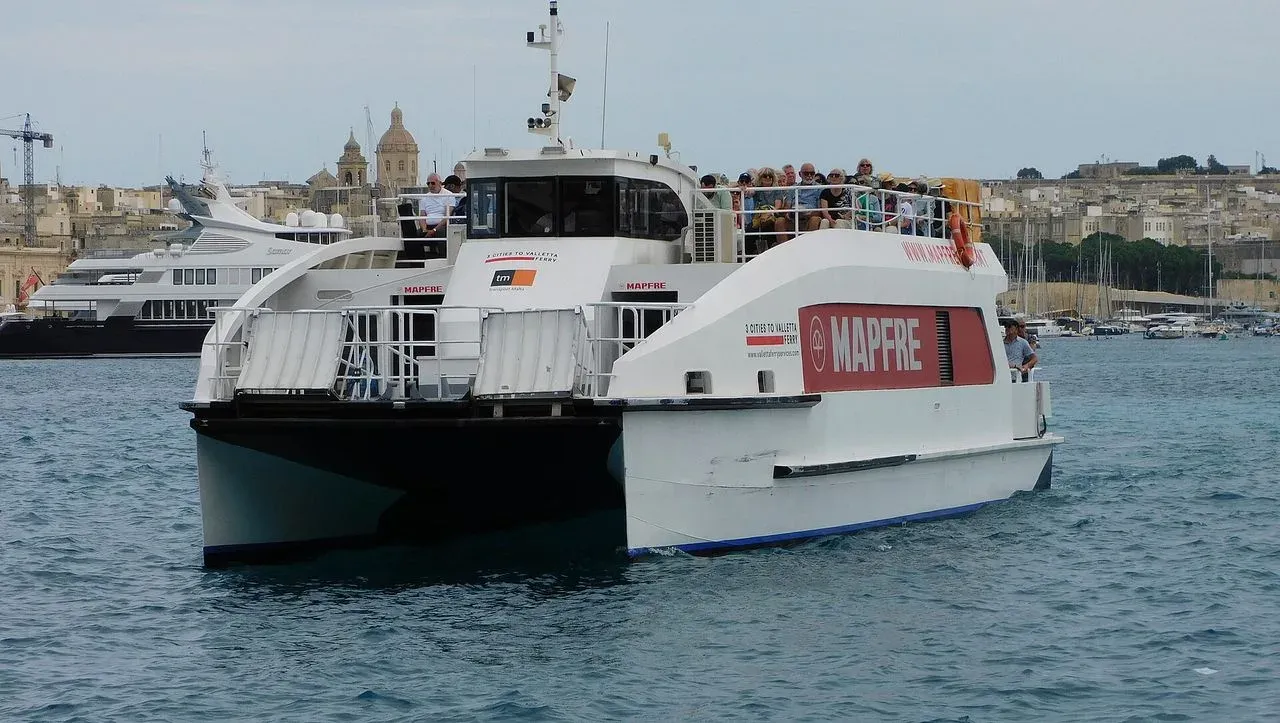
The Valletta Ferry crosses to Cospicua, one of the Three Cities (Birgu, Isla and Bormla in the operator’s wording), and it comes with the lift ticket mentioned above. Malta Public Transport’s Valletta Ferry page doesn’t print a fare, and the free travel it mentions is for holders of a personalised tallinja card, so check the price at the quay. Going over at the end of the day is a quiet close after Valletta’s heavier sights, and it lets you see the capital’s bastions from the water.
Across the water, the fort at the tip of Birgu is Fort St Angelo, the one you look at from the Saluting Battery. Caravaggio was locked up there in 1608 before he fled Malta, as the St John’s guide tells, so give yourself half an hour on the Birgu waterfront below it before the ferry back.
The evenings
The point of sleeping in Valletta is the evening, when the streets empty of day visitors. Walk the main streets once the light has gone, see the harbour from the Upper Barrakka at dusk, and eat in a side street rather than on the main one. Our guide to Maltese food explains the pastizzi, rabbit and ftira you’ll meet on those menus. The city is for walking, so if you’re hiring a car for the days outside the capital, see the car hire guide for where that fits. For a day built around Valletta in a longer plan, see the four-day itinerary.
One day in order
- Bus from the airport, TD4 to Valletta, then walk in through City Gate.
- St John’s Co-Cathedral when the doors open, on a weekday.
- The Upper Barrakka Gardens before noon, and stay for the salute (Monday to Saturday).
- Lunch in a side street.
- Fort St Elmo in the afternoon, with at least 1.5 hours.
- The ferry to Cospicua at the end of the afternoon, for the view back across the harbour.
Photos
Read also

Things to do · 7 min read
Best Beaches in Malta and Gozo: Sand or Rocky Shores?
Verified · 17 November 2026Malta and Gozo beaches by sand, rock and how you get in: Golden Bay, Għajn Tuffieħa, Mellieħa, Ramla, Ħondoq, Sliema rocks and the Blue Lagoon.

Car hire · 7 min read
Car Hire in Malta: Driving on the Left, Licences and Gozo
Updated · 17 November 2026Car hire in Malta: driving on the left, which licences work, airport desks, Valletta charge zone and the €15.70 Gozo ferry fare, checked 16 November 2026.

Things to do · 7 min read
Diving and Snorkelling in Malta and Gozo
Verified · 17 November 2026Diving and snorkelling in Malta and Gozo: Ċirkewwa wrecks, Gozo shore sites by level, snorkel trails, dive prices and DAN's 12 and 18 hour flying advice.

What to see · 6 min read
Ġgantija Temples: Tickets, Hours and Reading the Stones
Verified · 17 November 2026Ġgantija in Xagħra: €10 combo ticket with Ta' Kola, opening hours, painted plaster, two kinds of limestone, access and how to get there.