Malta Travel Insurance: Check the Diving Cover
Malta travel insurance for divers: GHIC limits, SafetyWing Essential scuba exclusions, DAN dive-accident cover and where the hyperbaric chambers are.
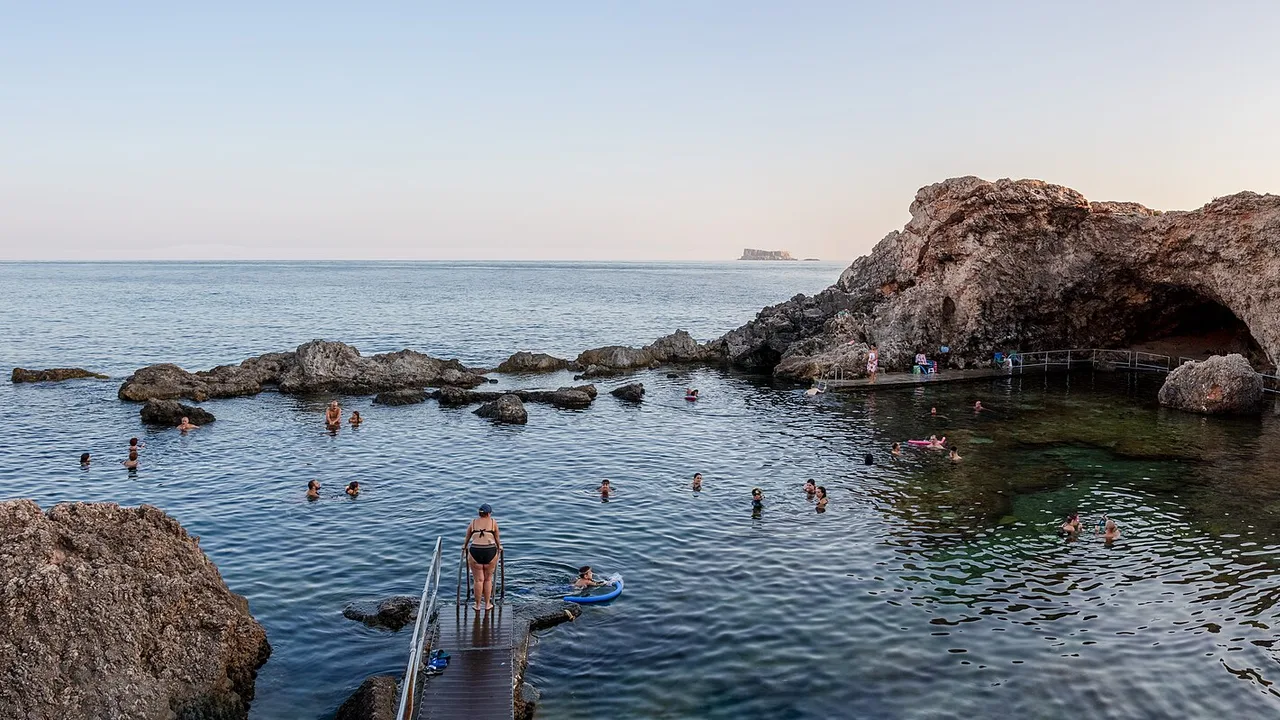
The gap to look for in a dive-holiday policy is the stretch between the water and the hospital. SafetyWing’s Nomad Insurance Essential, as published on 17 November 2026, shows why: the base plan excludes scuba, the Adventure Sports add-on brings it in with a US$100,000 lifetime ceiling, and Essential still excludes search and rescue and, on its scuba help page, transport from a dive site to a medical facility. Whatever you buy, keep the wording that applies to your purchase, because add-ons and versions change what a claim is judged against.
Important: This page is general travel information, not insurance, medical or financial advice. What a policy pays depends on its own wording, the version you buy, your residency, your health and your activities, and insurers change their terms. The healthcare and insurer conditions below were checked on 17 November 2026; read the full wording of the policy you are buying and confirm your planned dives with the insurer before you pay.
Scuba, a try-dive or snorkelling: name it
Write down what you’re planning in ordinary words: snorkelling from the shore, an introductory scuba session, guided dives as a qualified diver, or a course. Give that description to the insurer before you pay, because a label such as “water sports” leaves the questions of depth, qualification and supervision open. FCDO guidance says to check cover for the full length of the trip and every planned activity, and to declare existing conditions or pending tests or treatment.
Ask the centre what the session is, too. Scuba Dive Malta lists its Discover Scuba Diving at €110 for about four hours, with a maximum of two divers per instructor, all equipment, road transport and “personal diving insurance” among the inclusions, and one open-water dive to a maximum depth of 12 metres (prices on its site on 17 November 2026). Ask any centre for that insurance’s wording, including whether it pays for evacuation and chamber treatment, before you treat it as your cover. For help choosing between the activities themselves, our diving and snorkelling in Malta and Gozo guide goes through the sites, their levels, the paperwork and the prices.
A health card leaves gaps to plan around
For an eligible visitor, a valid EHIC or UK GHIC can help with medically necessary state healthcare during a temporary stay. Malta’s Entitlement Unit sets out the routes to entitlement, including arrangements for EU and UK visitors. Carry the documentation that applies to you and check its validity before departure.
The UK government’s Malta advice says a GHIC or EHIC is not an alternative to travel insurance, and lists private healthcare and medical repatriation to the UK among the things it doesn’t deal with. So the card covers the public hospital bed, and the policy has to cover the ambulance flight home and the private clinic.
Rescue, transport, treatment: three stages
A diving incident passes through three stages: rescue, transport to a medical facility, and treatment, sometimes with a transfer between facilities. A policy can treat each as a separate benefit with its own trigger, and its own question of who has to organise it.
On Malta the treatment stage has an address. Mater Dei Hospital’s Hyperbaric Unit sits at level -2 beneath the Accident and Emergency department and provides hyperbaric oxygen therapy and recompression treatment. Maltese news sites reported in March 2026 that Gozo General Hospital had opened a new six-person hyperbaric unit. The distance from the sea to those chambers is the part your policy has to pay for: the rescue, the boat or ambulance, and any air transfer.
Malta Tourism Authority’s licensing includes third-party liability insurance for dive centres. That’s the centre’s own liability cover, not a medical policy in your name. For a shore session, ask where the activity starts and how help would be called; for a boat trip, ask how someone would be brought back to shore.
SafetyWing Essential: a specific example
SafetyWing’s help page for the updated Nomad Insurance Essential plan says the base plan excludes scuba diving. It describes cover through the Adventure Sports add-on, with depth tied to the licence of the diver or accompanying instructor. The published Adventure Sports ceiling is US$100,000 over your lifetime, subject to the policy conditions, as checked on 17 November 2026. That’s a lifetime ceiling, not a fresh allowance for each dive or holiday. Essential isn’t sold to anyone older than 69, according to SafetyWing’s published eligibility terms, so check the age of everyone in the group before relying on this example.
Availability matters too. SafetyWing’s published terms say the Adventure Sports add-on is available for subscription plans and not fixed-date plans, and that adding or removing add-ons means replacing an active policy. A new policy can change how an existing condition is treated, so sort this out before the trip, not at the dive centre.
The gap is in two exclusions. Essential excludes search and rescue, and its scuba help page also excludes transport from a dive site to a medical facility. Read those beside the medical evacuation wording: an evacuation section that starts at the hospital door doesn’t reach the dive site.
The second layer: dive-accident cover
If your diving needs more than that, one answer is a second policy built around diving. DAN Europe’s dive accident insurance lists worldwide emergency medical treatment including hyperbaric therapy and hospitalisation, and emergency medical evacuation including air ambulance, with the extent of cover depending on the plan (Sport Silver and Sport Gold are two of them). DAN Europe says plainly that it’s not full travel or health insurance: its cover for non-diving medical emergencies is valid only while travelling abroad, for a number of days that depends on the plan. DAN works through regional organisations by country of residence: DAN in the US sells its dive accident insurance only to people whose main home is in the United States, and DAN Europe says its cover may not be available in all countries, so start from the DAN office for the country you live in.
That sets up the two-layer arrangement. A travel policy handles cancellation, baggage, ordinary illness and the flight home, and a dive-accident plan handles the incident in the water and the chamber. We haven’t quoted prices because DAN Europe’s site gives them through a quote form. Compare the two documents on the same three questions: who pays for search and rescue, what is paid for transport from the dive site, and whether chamber treatment has a limit.
The rest of the holiday
Cancellation, a missed connection, baggage and equipment cover are separate sections of a travel policy, with their own limits, excesses and proof requirements. If you’re adding Gozo to the stay, ask how the policy pays for a transfer between Gozo General Hospital and Mater Dei. If you hire a vehicle, our car-hire guide covers the questions for the rental company, and the vehicle’s damage terms need checking against their own documents.
Every person joining a dive needs to be covered under whatever you buy, including a companion trying scuba for the first time, and a companion who has to stay behind with an injured traveller raises its own question for the insurer.
Calling for help and claiming afterwards
In a medical emergency in Malta, dial 112 and ask for an ambulance. Then contact your insurer promptly and follow its notification procedure. Claims may need itemised invoices, medical reports and proof of payment, so keep the paperwork you’re given and ask how to obtain copies of anything missing. The passport and border papers to carry alongside the policy are in our entry and packing checklist.
If a dive changes your health or your ability to fly, see a doctor and tell the insurer. DAN’s minimum surface intervals before a flight are on our diving and snorkelling page, and your last dive belongs well before the departure time.
Photos
Read also

Things to do · 7 min read
Best Beaches in Malta and Gozo: Sand or Rocky Shores?
Verified · 17 November 2026Malta and Gozo beaches by sand, rock and how you get in: Golden Bay, Għajn Tuffieħa, Mellieħa, Ramla, Ħondoq, Sliema rocks and the Blue Lagoon.

Car hire · 7 min read
Car Hire in Malta: Driving on the Left, Licences and Gozo
Updated · 17 November 2026Car hire in Malta: driving on the left, which licences work, airport desks, Valletta charge zone and the €15.70 Gozo ferry fare, checked 16 November 2026.

Things to do · 7 min read
Diving and Snorkelling in Malta and Gozo
Verified · 17 November 2026Diving and snorkelling in Malta and Gozo: Ċirkewwa wrecks, Gozo shore sites by level, snorkel trails, dive prices and DAN's 12 and 18 hour flying advice.

What to see · 6 min read
Ġgantija Temples: Tickets, Hours and Reading the Stones
Verified · 17 November 2026Ġgantija in Xagħra: €10 combo ticket with Ta' Kola, opening hours, painted plaster, two kinds of limestone, access and how to get there.