Maltese Food: Pastizzi, Rabbit and the Ftira Question
Maltese food with 2026 prices: pastizzi at €0.70, the two kinds of ftira, rabbit, ġbejniet, lampuki season and the date pastries called imqaret.
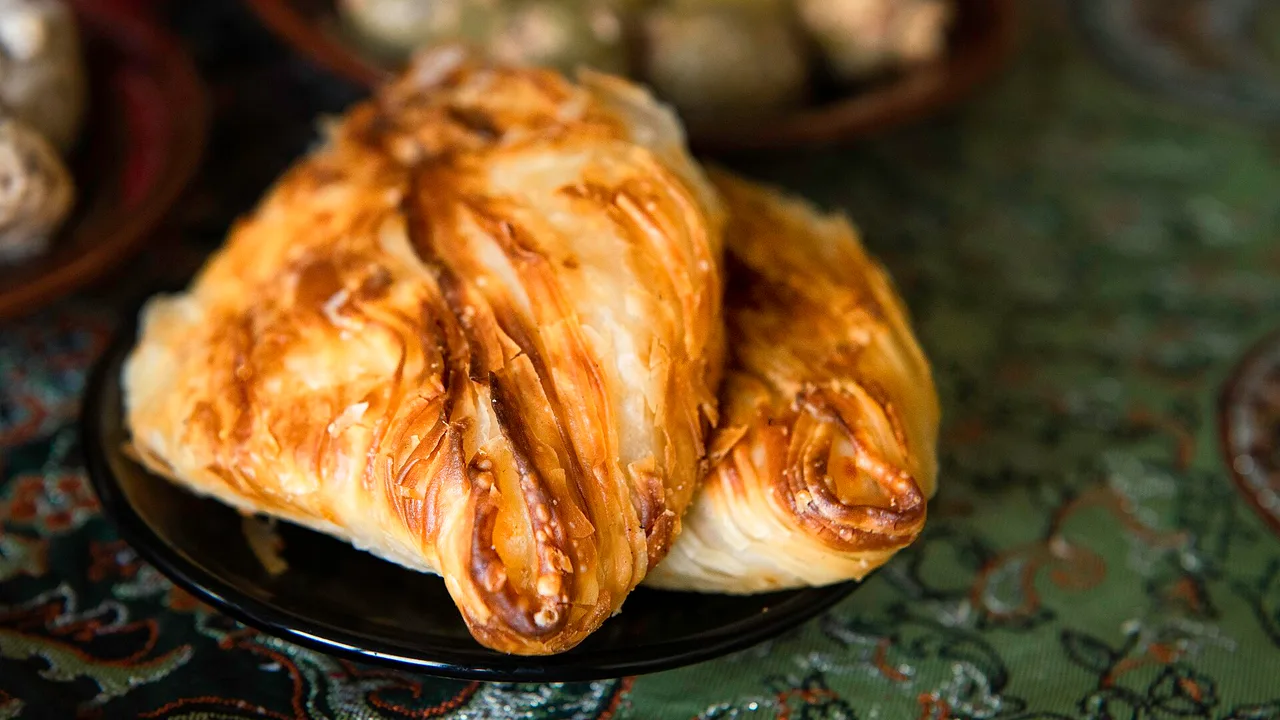
“Ftira” names two different lunches in Malta. UNESCO inscribed the sourdough flatbread, cut open and filled like a sandwich, in 2020, while in Gozo and on some restaurant menus the same word means a flatbread baked with toppings in a wood-fired oven. Pastizzi, the flaky pastry parcels of ricotta or mushy peas, are the cheap end of the table: Sphinx, a producer, lists them at €0.70 on its own menu, checked on 17 November 2026. Rabbit is the dish to sit down for.
Pastizzi at €0.70
Visit Malta describes pastizzi as flaky pastry parcels filled with ricotta or mushy peas. Sphinx’s menu page, checked on 17 November 2026, lists the ricotta or pea pastizz at €0.70, a vegan version at €1.20, a chicken one at €1.40 and the baked qassatat at €2.10. Qassatat have a soft shortcrust pastry, so if you want the fragile, flaky edge of a pastizz, a counter full of qassatat won’t give it to you. Sphinx’s own advice is to eat its pastizzi warm, for the crunch, which settles the question of whether to take one in a bag for later.
Allergies need the declaration, not the filling name. Sphinx’s allergen declaration for its traditional pastizzi lists gluten, soya, celery, milk and eggs, more than the words “ricotta” or “peas” would suggest, and the vegan version has its own list with different traces. For any allergy, use the venue’s own information and talk through the specific dish before you order.
Ftira: bread, topping or both
The UNESCO entry, Il-Ftira, culinary art and culture of flattened sourdough bread in Malta, describes a bread with a thick crust and an open crumb, flatter than other Maltese loaves and baked at a hotter temperature. The halved loaf is filled with Mediterranean ingredients such as olive oil and tomato, tuna, capers and olives. The word comes from Arabic and means unleavened bread, according to UNESCO. That’s the ftira you’ll meet at a lunch counter, and the University of Malta’s account of the country’s breads separates it from other loaves in the same way.
The other ftira comes from the wood-fired oven bakeries along Gozo’s village streets: a traditional pizza-like round of unleavened dough, in Visit Gozo’s description, with a salty version with anchovies, or one with fresh cheeselets, among the varieties. Gululu, a restaurant on Spinola Bay in St Julian’s, has the same idea on a restaurant menu. Its ftajjar menu, a 2025 PDF still online on 17 November 2026, describes a flattened sourdough baked on the stone base of a wood-burning oven, and lists a garlic ftira at €12.95 and a farmer’s ftira with marrows, leeks, black olives and goat’s cheese. Read the menu you’re given: a “ftira” can arrive as a filled sandwich or as a baked round like Gululu’s €12.95 garlic ftira.
Ħobż biż-żejt is the beach cousin. Visit Malta describes it as a round of bread dipped in olive oil and rubbed with ripe tomatoes, filled with tuna, onion, garlic, tomatoes and capers.
Rabbit: fried, stewed or with spaghetti
Rabbit comes fried, with fried garlic and Maltese bread, or as a stew that can be served with spaghetti, and both are in the national register of traditional agro-food products. Visit Malta lists rabbit stew among the dishes to look for. On Gululu’s 2025 food menu, still online on 17 November 2026, braised rabbit with celery, onions, red wine and peas is the traditional dish, and spaghetti with rabbit sauce is a separate item at €17.50 as a main course or €15.50 as a starter.
The same menu has “Il Fenkata”, a rabbit tasting menu at €35.00 per person for a minimum of two people, running through a garlic and anchovy dip, rabbit belly, rabbit meatballs and more. A tasting menu like that is an evening, so put it after the day’s last booked sight. If part of your group won’t eat rabbit, pick a restaurant with a full menu, and Gululu’s includes beef, pasta and vegetable dishes, with a grilled Maltese sausage among the starters.
Ġbejniet, bigilla and the starters
Ġbejniet are small, round cheeselets of sheep’s milk, served fresh, dried or marinated and peppered, and Visit Gozo notes that the cheese also fills ravioli and pastizzi. Gululu’s menu has a sheep’s cheeselet salad at €14.90 and a deep-fried fresh peppered cheeselet.
Bigilla, according to the national register, is a bean mixture of dried Djerba beans, olive oil, garlic and parsley, generally eaten with Maltese bread or galletti, the water biscuits. Visit Malta notes that you’ll see it on most food shop counters, and Visit Gozo adds that bigilla, galletti and olive oil are often served as complimentary starters in restaurants.
Fish, soup and the Sunday market
Visit Malta points to the Marsaxlokk fish market on a Sunday morning as the place to see how varied the catch is, and our getting around Malta guide covers the bus cards for a day out there. Depending on the season you’ll see bass, stone fish, grouper, dentex, white bream and red mullet. Swordfish and tuna follow in early to late autumn, which overlaps with the season of the lampuka, the dolphin fish. When fish is plentiful it goes into aljotta, the garlicky fish soup, and Visit Malta also lists the widow’s soup, which carries a small round of ġbejniet.
The lampuki, or dorado, arrives in Maltese waters from late August through to December, and Visit Gozo dates the start of the season to the feast of Santa Marija on 15 August. If you’re in Malta in that window, it’s the fish to order. Visit Gozo lists lampuki il-forn, baked with potatoes, olives and capers, aljotta and torta tal-lampuki, the pie, and its cooking post gives fried lampuki with a tomato, olive and caper sauce. In Gozo the fish is sold from the open-air market in Victoria and by fish hawkers, and Visit Gozo says most restaurants put it on the menu in season, especially at the fishing villages and Mġarr harbour.
Ħobż biż-żejt in summer, imqaret at the festa
Visit Gozo’s seasonal note puts ħobż biż-żejt at the beach in summer and tops it differently from Visit Malta: mint, a little onion, sheep’s cheese and anchovies on a thick slice of crusty Maltese bread rubbed with red tomatoes, where Visit Malta has tuna, garlic and capers. At a village bar, Visit Gozo goes on, a glass of local wine comes with olives and perhaps zalzett, a coriander-flavoured sausage.
For sweets, Visit Gozo lists imqaret, date pastries, with qubbajt (nougat) among the street foods at village festas. Gululu’s menu has date fritters with honey.
Food tours, if you want company
A food walk helps when you’d like someone to explain the dishes and plan the order. Read the stops and tastings before booking, and check how dietary requests are handled. For eating on your own, the sequence above works as a day: a pastizz at the counter, a ftira or ħobż biż-żejt at lunch, and rabbit or the season’s lampuki in the evening. On Gozo, Visit Gozo says a handful of wood-fired bakeries still bake the village ftira, so the baker’s own oven is where to look for it.
Photos
Read also

Things to do · 7 min read
Best Beaches in Malta and Gozo: Sand or Rocky Shores?
Verified · 17 November 2026Malta and Gozo beaches by sand, rock and how you get in: Golden Bay, Għajn Tuffieħa, Mellieħa, Ramla, Ħondoq, Sliema rocks and the Blue Lagoon.

Car hire · 7 min read
Car Hire in Malta: Driving on the Left, Licences and Gozo
Updated · 17 November 2026Car hire in Malta: driving on the left, which licences work, airport desks, Valletta charge zone and the €15.70 Gozo ferry fare, checked 16 November 2026.

Things to do · 7 min read
Diving and Snorkelling in Malta and Gozo
Verified · 17 November 2026Diving and snorkelling in Malta and Gozo: Ċirkewwa wrecks, Gozo shore sites by level, snorkel trails, dive prices and DAN's 12 and 18 hour flying advice.

What to see · 6 min read
Ġgantija Temples: Tickets, Hours and Reading the Stones
Verified · 17 November 2026Ġgantija in Xagħra: €10 combo ticket with Ta' Kola, opening hours, painted plaster, two kinds of limestone, access and how to get there.